Seal the Roof Edge Before Pests Move In
Soffit, fascia, and trim installation and repair in Tulsa
When soffit panels crack or fascia boards rot, the roof edge becomes an open entry point for wasps, squirrels, and moisture. Attic ventilation fails when soffit vents are blocked or damaged, which leads to heat buildup in summer and condensation in winter. If you live in Claremore and surrounding areas and notice peeling paint on your fascia, sagging soffit panels, or animals nesting in your eaves, your roof structure is already exposed to damage. Summit Roofing & Solar installs soffit, fascia, and trim that seal the roof edge, control airflow, and keep pests out.
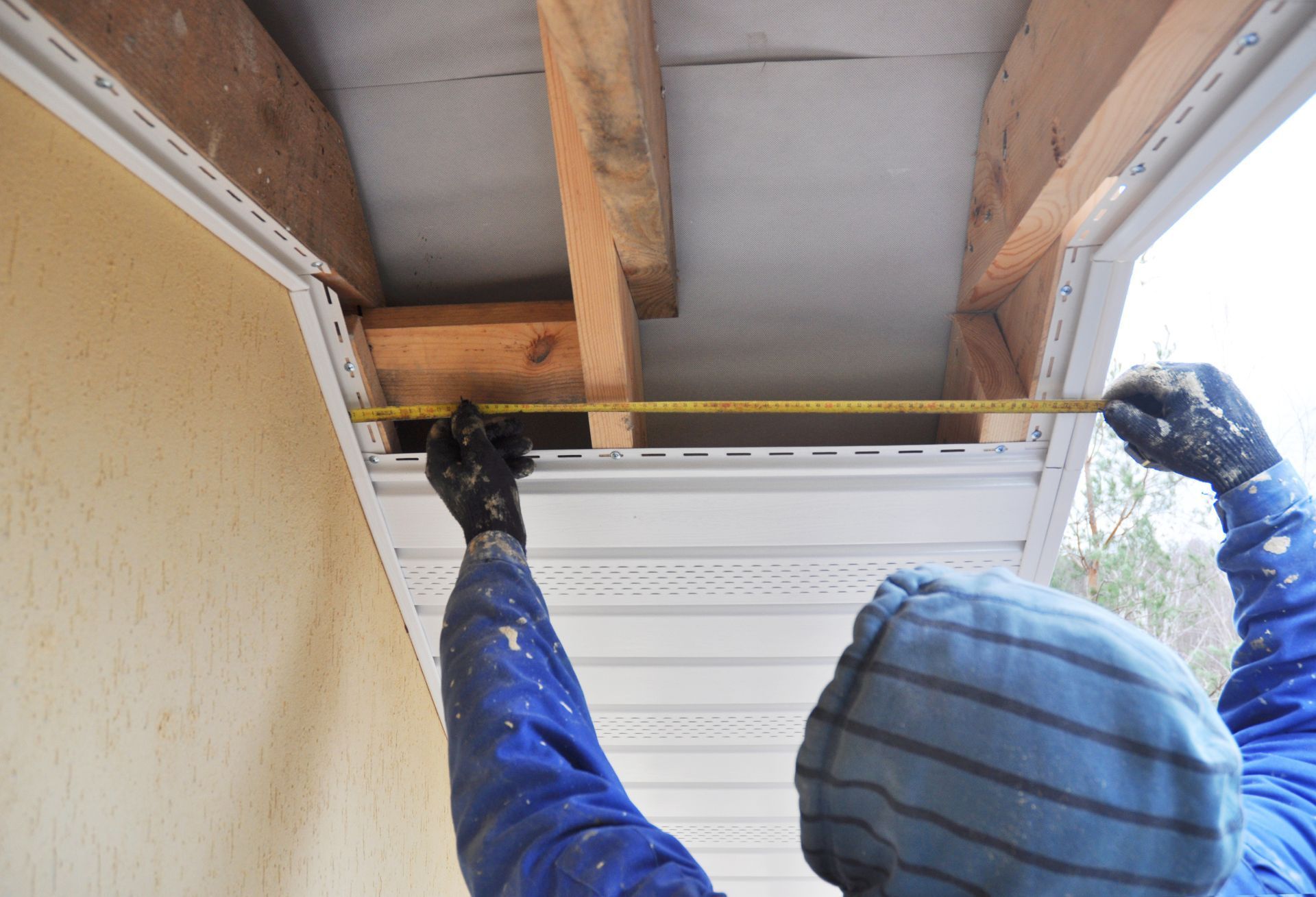
Soffit and fascia installation involves removing the old boards, checking the rafter tails for rot, and securing new panels that are vented to allow airflow into the attic. Ventilation and moisture control solutions prevent ice dams in winter and reduce cooling costs in summer by allowing hot air to escape through the ridge. Trim repair and replacement restore the clean lines around windows, doors, and corners, which prevents water from seeping behind the siding or gutters.
If your soffit is sagging or your fascia shows signs of rot, contact Summit Roofing & Solar to schedule an inspection in Claremore and surrounding areas.
Why Soffit and Fascia Matter More Than Trim
When you schedule soffit and fascia work in Claremore and surrounding areas, the crew removes the old panels and inspects the wood behind them for water damage or insect activity. Rotten sections are cut out and replaced before the new fascia boards are nailed to the rafter tails. Soffit panels are installed with perforations that allow air to enter the attic while keeping insects and debris out.
After installation, you will notice that your attic stays cooler in summer and drier in winter, and you will no longer see wasps building nests in the eaves or squirrels chewing through the soffit. The fascia provides a solid surface for gutter attachment, so the gutters stay level and drain correctly. Protect roof edges and structure by sealing the transition between the roof and the walls, which prevents wind-driven rain from soaking the sheathing or insulation.
Summit Roofing & Solar uses materials that resist rot, UV damage, and insect intrusion, so the soffit and fascia do not need repainting or frequent replacement. Installation includes sealing the joints where the soffit meets the wall and the fascia meets the roof, which creates a continuous barrier against moisture. The service does not include attic insulation upgrades, roof replacement, or gutter installation unless those are added separately.
These Questions Come Up During Inspections
Homeowners in Claremore and surrounding areas often ask how soffit ventilation works, why fascia boards rot, and whether damaged sections can be repaired without removing the entire roof edge. These questions come up because soffit and fascia are often overlooked until a problem becomes visible, and by then, the damage has usually spread.
If you see sagging soffit, rotting fascia, or signs of pest entry around your roof edge, Summit Roofing & Solar can assess the damage and recommend repair or replacement. Get in touch to schedule a soffit and fascia inspection in Claremore and surrounding areas and keep your roof structure protected.